Elise Woodland

Canned Food

CHEM Trust: UK committee recommends protective value for BPA 1000 times higher than the EU

Canned Food

BPA or bisphenol A has long been known to harm human and wildlife health by interfering with the endocrine system. European-wide studies show that people are constantly exposed to BPA. Health effects linked to the chemical are extensive, including chronic diseases such as breast and prostate cancer, heart disease, and diabetes. Chronic diseases (also known CHEM Trust: UK committee recommends protective value for BPA 1000 times higher than the EU

FCM Report Graphic

Non-harmonised FCM laws – a reason for concern

FCM Report Graphic

A new CHEM Trust briefing, Non-harmonised FCM laws – a reason for concern, highlights the chaotic situation of legislation on food contact materials (FCMs) in the EU. Harmonised legislation, including restrictions on harmful substances, exists for four types of materialsat the EU level; active and intelligent materials, plastics (incl. recycled plastics), cellulose film and ceramics. Non-harmonised FCM laws – a reason for concern

BPA UK blog image

The UK’s approach to bisphenols in food packaging isn’t cutting the mustard

BPA UK blog image

Bisphenol A (BPA) is a chemical that has long been known to harm human and wildlife health by interfering with our sensitive endocrine system. Exposure to BPA is connected to extensive health impacts, including harmful effects on the immune system, chronic diseases such as breast and prostate cancer, and developmental disorders like ADHD and autism. The UK’s approach to bisphenols in food packaging isn’t cutting the mustard

HEAL: A BPA ban in food contact materials is good news for health – but further restrictions of bisphenols in other consumer products needed

HEAL: A BPA ban in food contact materials is good news for health – but further restrictions of bisphenols in other consumer products needed

The European Commission in December 2024 adopted a ban on the use of Bisphenol A (BPA) in food contact materials.      The ban means that BPA will not be allowed in products that come into contact with food or drink, such as the coating on metal cans, reusable plastic drink bottles, water distribution coolers and other HEAL: A BPA ban in food contact materials is good news for health – but further restrictions of bisphenols in other consumer products needed

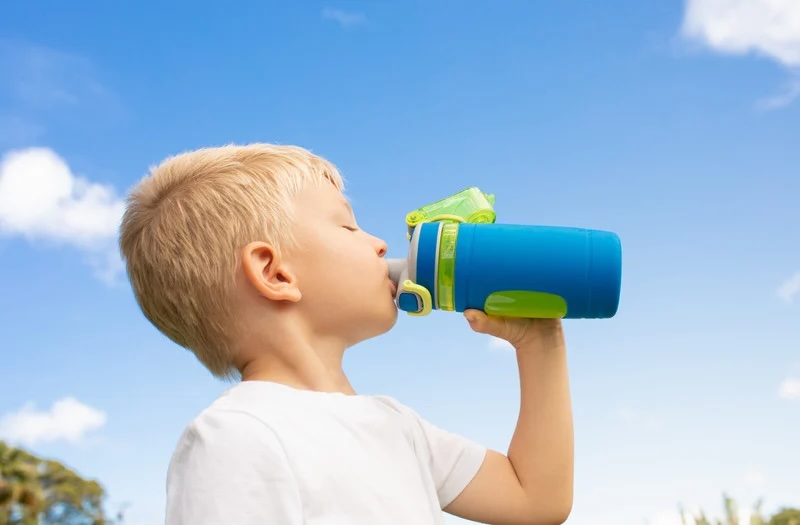
Blonde Boy Drinking Bottle

CHEM Trust: New Study Finds Toxic Chemical Leaching from Children’s Drinking Bottles

Blonde Boy Drinking Bottle

A new study examined plastic drinking bottles across Europe and found that over half released DiBP, an endocrine-disrupting chemical. The study, conducted by organisations across Europe, including the Danish Consumer Council THINK Chemicals, analysed plastic drinking bottles purchased from five European countries. Thirty-nine bottles were purchased from shops in the Netherlands, Denmark, the Czech Republic, CHEM Trust: New Study Finds Toxic Chemical Leaching from Children’s Drinking Bottles

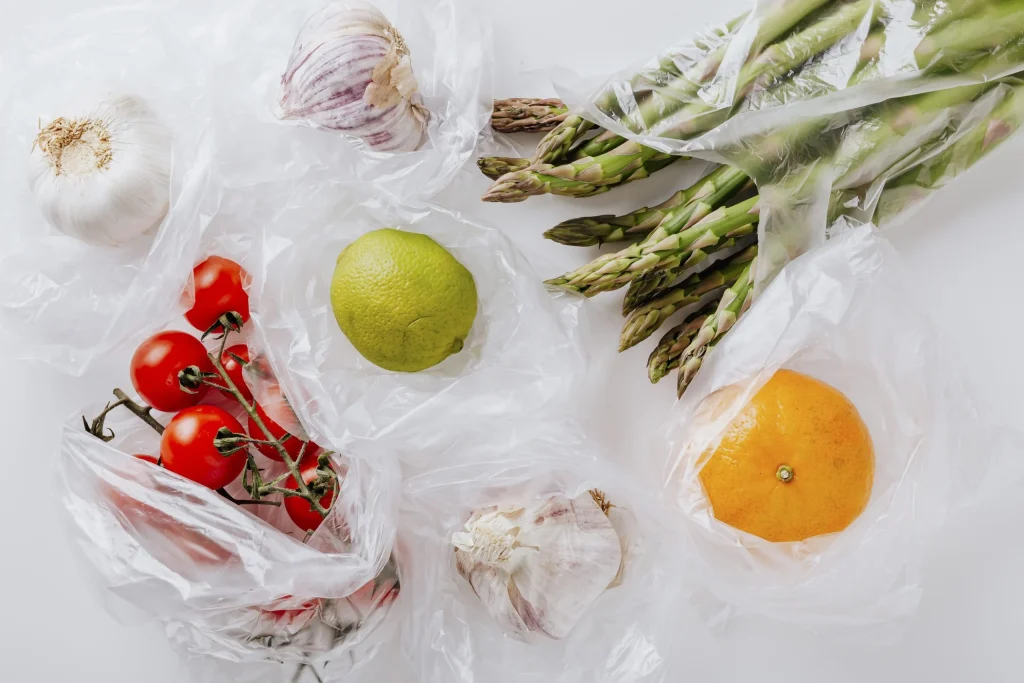
Plastic Wrapped Food

CHEM Trust: Chemicals Linked to Breast Cancer Are Being Used in Food Packaging

Plastic Wrapped Food

A new study from the Food Packaging Forum has revealed that chemicals linked to the development of breast cancer have been found in food contact materials available around the world, including in the EU. The authors of the study, which was published in Frontiers in Toxicology, compared a list of potentially breast cancer-causing chemicals with CHEM Trust: Chemicals Linked to Breast Cancer Are Being Used in Food Packaging

BPA Blog Image

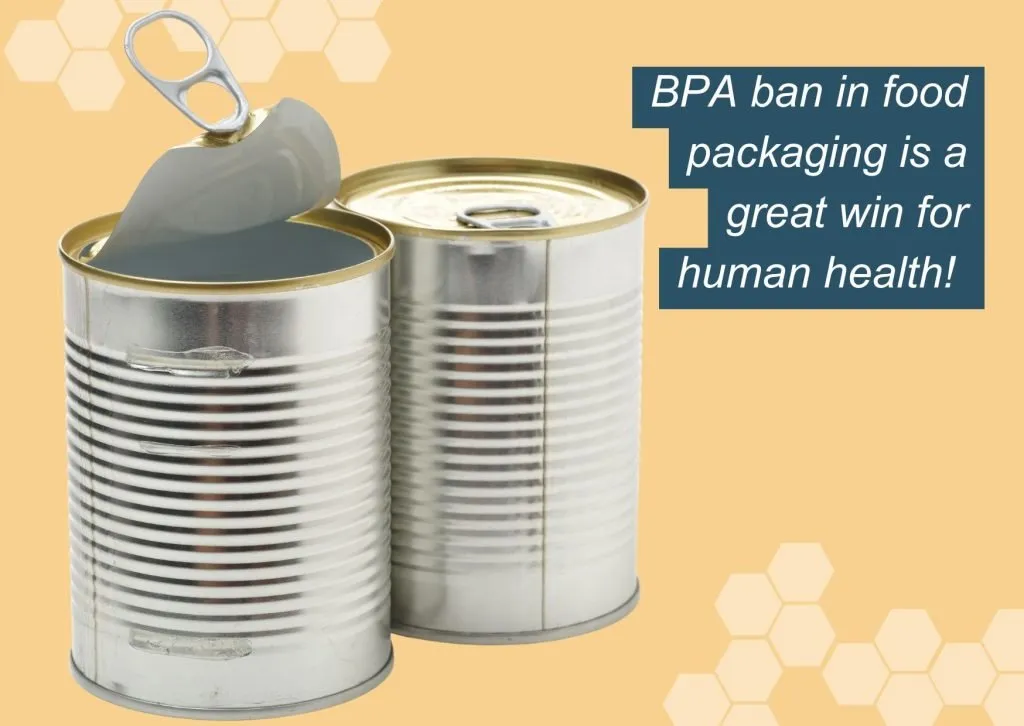
CHEM Trust: The ban on bisphenols in food contact materials is a great win for human health

BPA Blog Image

Update: On 19th December, the regulation restricting the use of bisphenol A (BPA) and other hazardous bisphenols in food contact materials was adopted by the European Commission. Read more here. Antonia Reihlen from CHEM Trust said: “The ban on BPA and other hazardous bisphenols in food contact materials is a great step forward in the protection CHEM Trust: The ban on bisphenols in food contact materials is a great win for human health

Bamboo products

CHEM Trust: Consumers Advised to Stop Using Plastic Food Contact Materials Containing Bamboo

Bamboo products

The UK’s Food Standards Agency (FSA) and Food Standards Scotland (FSS) have advised consumers to dispose of plastic food containers and utensils containing bamboo, due to concerns over health impacts. The agencies reiterated their requirement for businesses to stop selling the products. Do you have a bamboo-containing re-useable cup? New findings suggest these products may CHEM Trust: Consumers Advised to Stop Using Plastic Food Contact Materials Containing Bamboo

Egg on toast

CHEM Trust: New Study Links Consumption of Coffee and Eggs with Higher Levels of PFAS in the Body

Egg on toast

A new US study has found that the consumption of common foods and beverages such as coffee, eggs, and white rice could be linked to higher levels of PFAS in pregnant women. Per- and polyfluoroalkyl substances (PFAS) are a family of over 10,000 highly persistent chemicals. Because they do not break down easily in the CHEM Trust: New Study Links Consumption of Coffee and Eggs with Higher Levels of PFAS in the Body