Elise Woodland

Bye Bye PVC Image

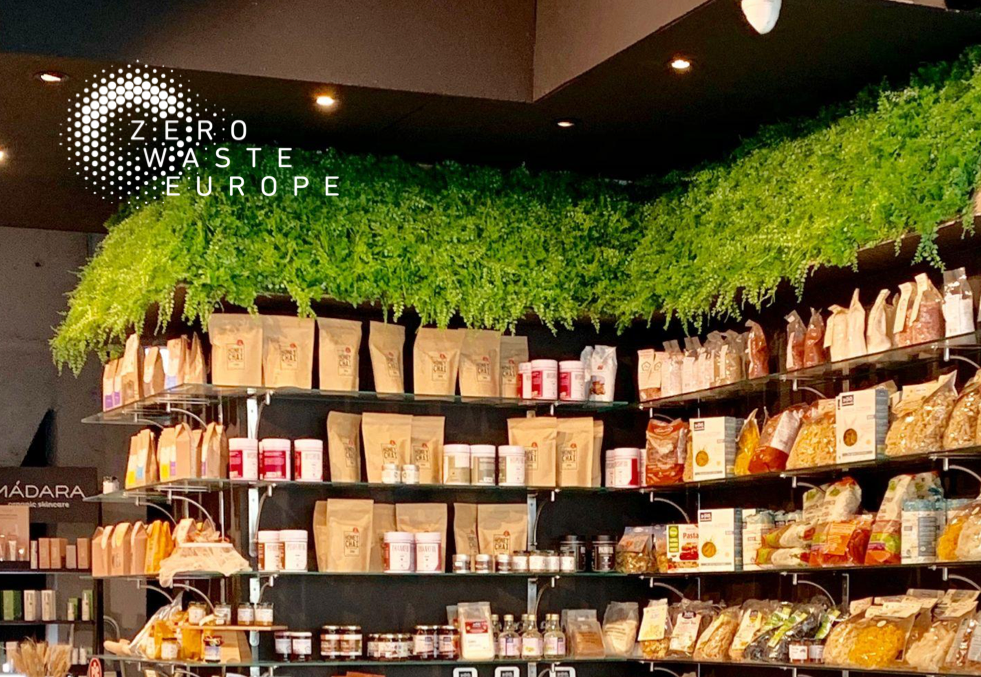
Zero Waste Europe: “Bye Bye” to PVC in food packaging – once and for all
Bye Bye PVC Image

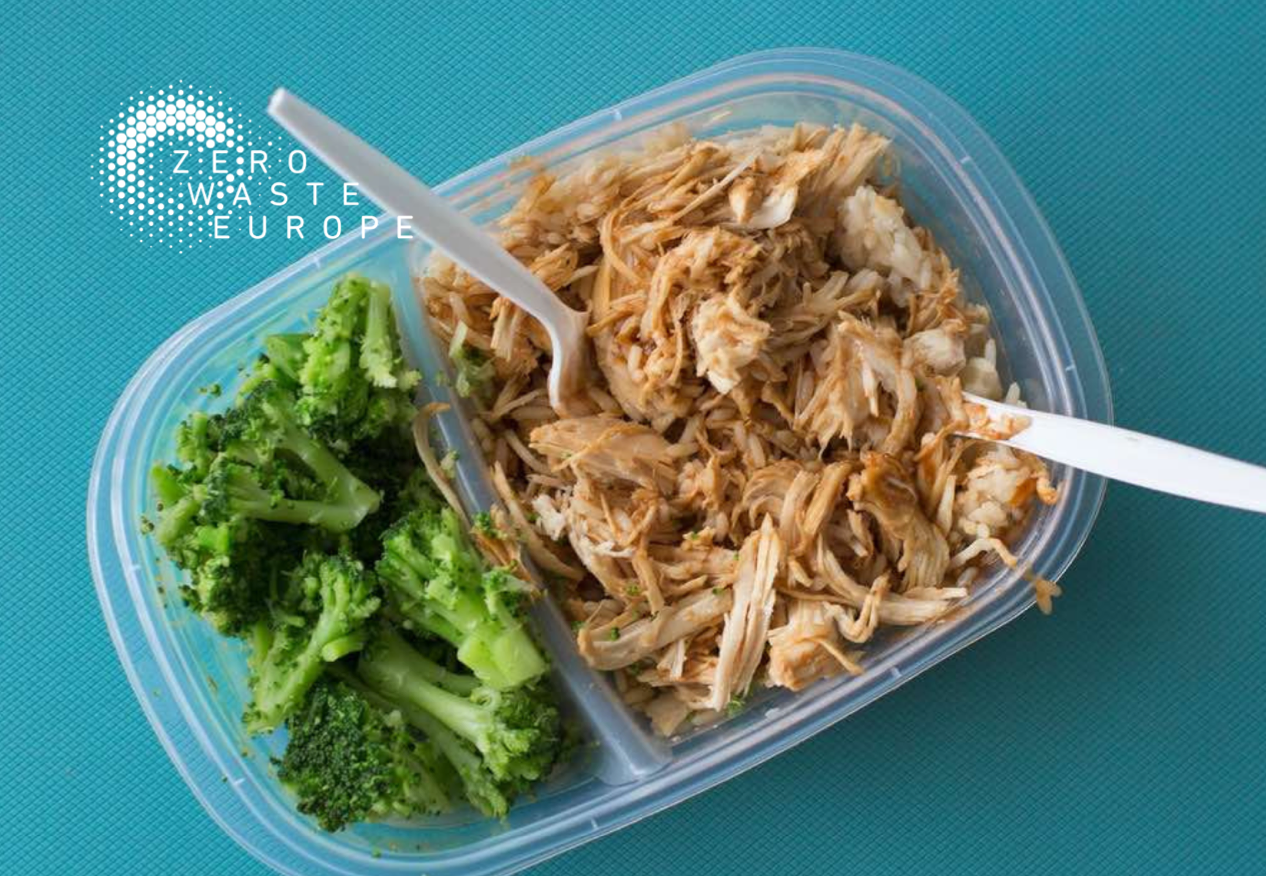
Food packaging often contains hazardous substances, particularly when made from polyvinyl chloride (PVC). PVC requires numerous additives, many of which are harmful, such as phthalates linked to reproductive and developmental issues. Annually, over 400,000 tonnes of PVC are used in European packaging, posing significant health risks due to the migration of these chemicals into food. Zero Waste Europe: “Bye Bye” to PVC in food packaging – once and for all

Disposable paper-based food packaging graphic

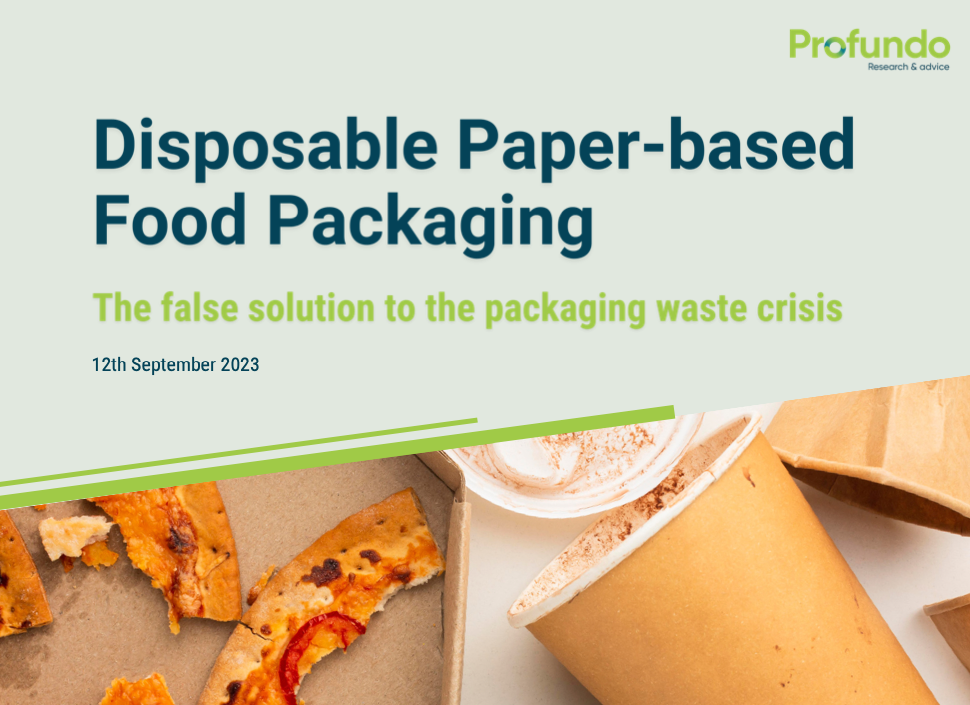
Zero Waste Europe: Disposable paper-based food packaging – the false solution to the packaging waste crisis

Disposable paper-based food packaging graphic

A new report by the Rethink Plastic alliance, the European Environmental Bureau,Zero Waste Europe, Fern, and the Environmental Paper Network reveals the environmental harm caused by replacing single-use plastic with single-use paper packaging. The report clearly shows the need to move away from ever-polluting single-use packaging and towards well-designed reuse systems. The NGO coalition calls Zero Waste Europe: Disposable paper-based food packaging – the false solution to the packaging waste crisis

ZWE Food Packaging Event

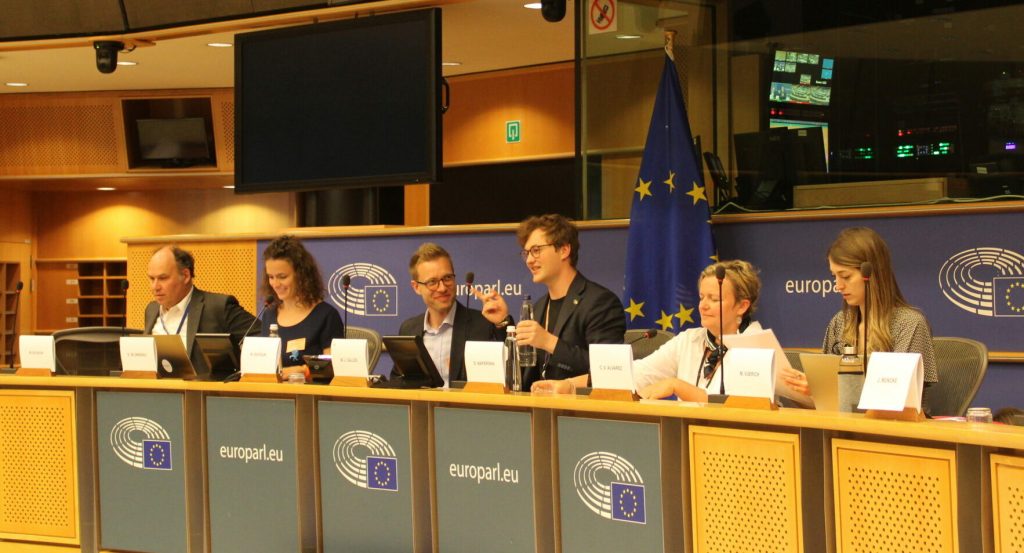
Zero Waste Europe: Malte Gallée, MEP calls for “a focus on reusable options” at Zero Waste Europe’s food packaging event

ZWE Food Packaging Event

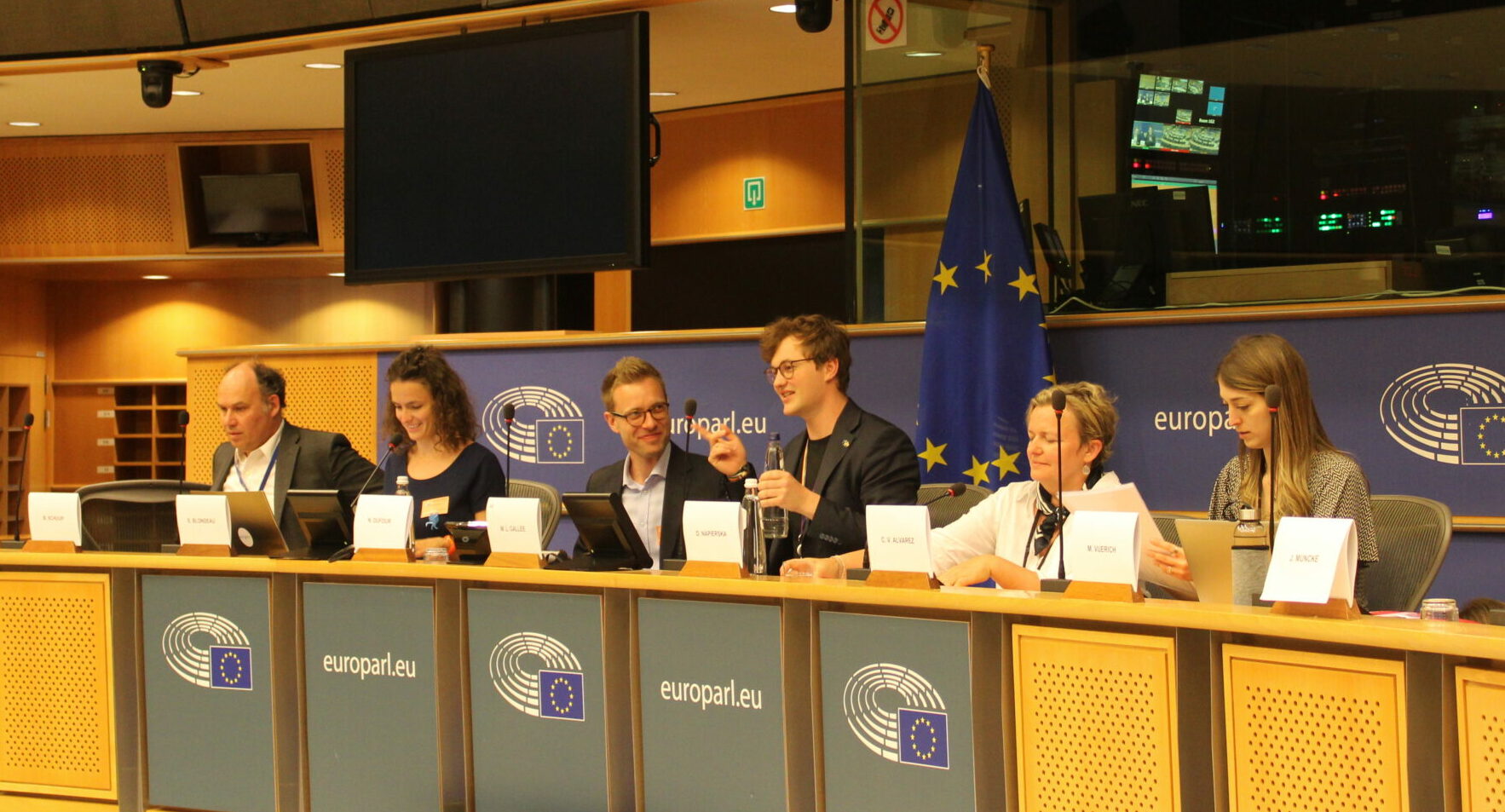
Brussels, 06 June 2022 Malte Gallée, MEP pushed for the need to “focus on reusable options” and pollutant-free materials as key to guarantee safety in food packaging. This call for long-lasting, safe packaging solutions was made as part of Zero Waste Europe’s “What we need to ensure the safety of food packaging” event, held yesterday Zero Waste Europe: Malte Gallée, MEP calls for “a focus on reusable options” at Zero Waste Europe’s food packaging event

ZWE FCM Policy Briefing 2022

Zero Waste Europe: Ensuring safe recycled content in food packaging: ambition vs reality

ZWE FCM Policy Briefing 2022

When it comes to Food Contact Materials (FCMs), the use of recycled content potentially creates new pathways through which humans can be exposed to hazardous chemicals in contaminated recycled material flows.  Today, recycling technologies have not proved to be able to remove all toxic chemicals already present in plastic in the first place and current Zero Waste Europe: Ensuring safe recycled content in food packaging: ambition vs reality

ZWE EU Chemicals Strategy

Zero Waste Europe: How the EU chemicals strategy can help to make our food packaging toxic-free

ZWE EU Chemicals Strategy

Since publishing the European Green Deal in December 2019, the EU is in a modus operandi for a systemic change. The Chemicals Strategy for Sustainability (CSS) adopted a year later, announced that it would help fight toxic chemicals and pollution that is detrimental to both human health and ecosystems. If it fulfills this promise – Zero Waste Europe: How the EU chemicals strategy can help to make our food packaging toxic-free

HEAL: ‘Forever chemicals’ widespread in disposable food packaging from popular fast-food chains across Europe, new study shows

HEAL: ‘Forever chemicals’ widespread in disposable food packaging from popular fast-food chains across Europe, new study shows

20 May 2021 – The use of persistent and health-harming PFAS chemicals in disposable food packaging and tableware is a widespread practice across Europe, as shown in a recent campaign and study undertaken by Czech NGO Arnika, in cooperation with the Health and Environment Alliance (HEAL), CHEM Trust and six other non-profit organisations in Europe HEAL: ‘Forever chemicals’ widespread in disposable food packaging from popular fast-food chains across Europe, new study shows

HEAL- FCM and Health

HEAL: Food contact materials and health

HEAL- FCM and Health

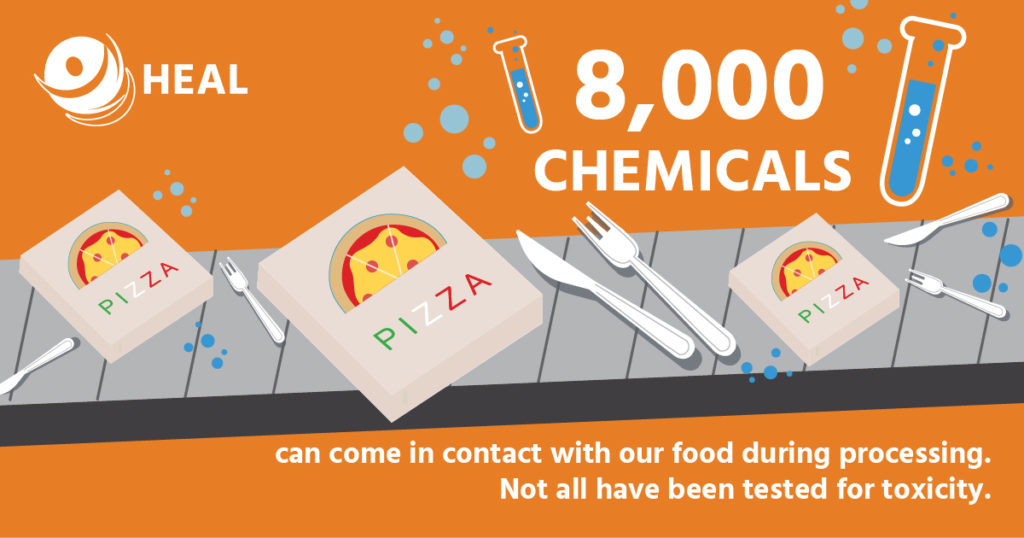
Nobody should ever have to worry about toxic substances making their way into our food. Yet, if you ask around, most consumers have no idea about the composition of the packaging wrapping their food and drinks, and how this might affect them. Current loopholes in the European legislation on food contact materials have as a HEAL: Food contact materials and health